Start With a Pre-Trip Health Check
A dog who feels good travels well, so the smartest first step for any trip out of Miami is a wellness check. Long car rides, new environments, and time away from home all put stress on the body. A small problem you have not noticed - a sore joint, an ear infection, an upset stomach - becomes a much bigger deal on the road. A quick exam confirms your dog is fit for the journey and gives you a chance to refill medications before you leave.
This visit is also the moment to make sure vaccines and parasite prevention are current. Florida's warm, wet climate keeps fleas, ticks, and mosquitoes active all year, and travel exposes your dog to new environments where these pests thrive. Confirm your dog's vaccinations and preventives are up to date so a rest-stop tick or a strange dog at a campground does not turn into a health problem back home.
Where you are headed shapes what your dog needs. A trip to the mountains of north Georgia or the Carolinas may put your dog in tick country or expose it to illnesses uncommon in Miami. A stay at a boarding facility or campground almost always requires proof of the bordetella vaccine for kennel cough.
Some destinations and events add a leptospirosis or canine influenza recommendation. Tell us where you are going when you book the pre-trip exam, and we can tailor the plan so your dog is protected against the specific risks of the trip.
Car Safety Comes First
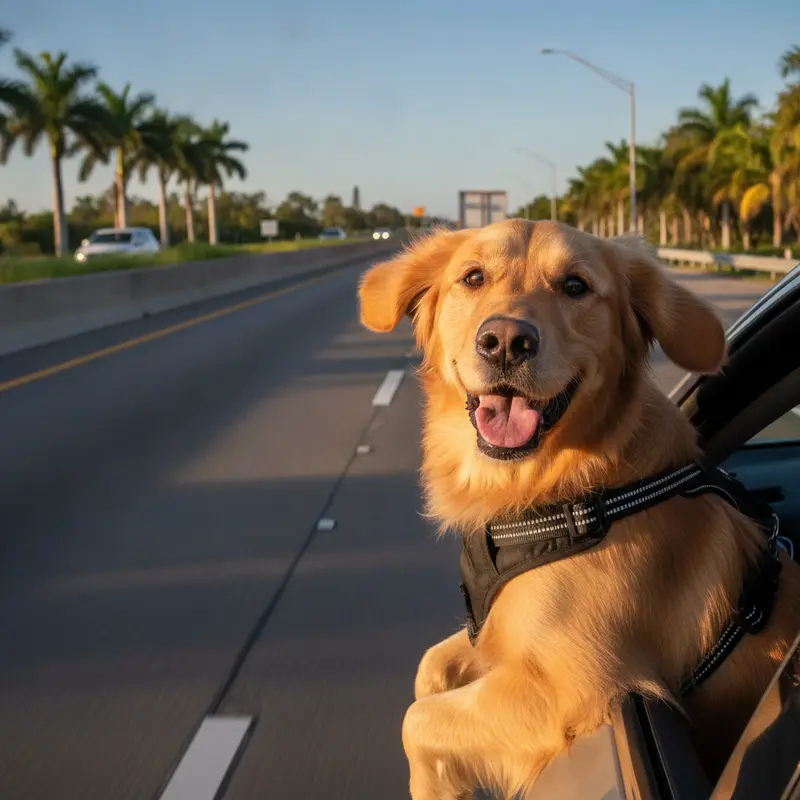
An unrestrained dog is a danger to everyone in the car, itself included. In a sudden stop or crash, a loose dog becomes a projectile, and even in normal driving a dog in the driver's lap or hopping between seats is a serious distraction. Use a crash-tested harness that clips into the seatbelt or a secured crate sized so your dog can stand, turn, and lie down comfortably.
Resist the urge to let your dog hang its head out the window, however happy it looks. Wind carries road debris and insects that can injure eyes and ears, and a dog leaning out can fall or jump. Plan a stop every two to three hours for a leashed bathroom break, a drink of water, and a short walk to stretch. These breaks keep your dog comfortable and cut down on the restlessness that makes long drives on the Turnpike or US-1 harder for everyone.
Riding in the bed of a pickup truck deserves a firm no. It is dangerous and, in many places, illegal, because a dog can be thrown out on a hard stop, jump after a distraction, or suffer burns from hot metal in the Florida sun. Loose in the cab is nearly as risky.
Give your dog a defined, secured spot every single trip, even the short ones, so the safe setup becomes a habit rather than something you only bother with for the long haul. Keep the windows up far enough that your dog cannot get its head or shoulders out at speed.
Heat Is the Number One Danger in Florida
In South Florida, heat is the hazard that catches owners off guard most often. A parked car becomes an oven within minutes even on a mild day, and cracking the windows does almost nothing. The rule is simple and absolute: never leave your dog alone in a parked car. If you cannot take your dog inside with you, arrange for someone to stay in the running, air-conditioned vehicle or skip the stop.
Pavement is a second, quieter danger. Miami sidewalks and asphalt can reach temperatures that burn paw pads within seconds during summer afternoons. Test the ground with the back of your hand - if you cannot hold it there for five seconds, it is too hot for your dog's feet.
Walk early in the morning or after sunset, carry water on every outing, and learn the signs of overheating: heavy panting, thick drool, bright red gums, and stumbling. Heat stroke is a medical emergency that needs immediate attention.
Flat-faced breeds need extra caution in this climate. Bulldogs, pugs, boxers, and other brachycephalic dogs cannot cool themselves efficiently by panting, so they overheat faster than other dogs and struggle in Florida's humidity even on a short walk. If you own one, plan travel and exercise around the coolest parts of the day, and keep the air conditioning running in the car.
Many airlines restrict or refuse these breeds in cargo for exactly this reason. When in doubt, err toward caution - these dogs give very little warning before a heat crisis.
Packing and Hotel Etiquette
A well-packed bag makes travel smoother. Bring enough of your dog's regular food for the whole trip plus a few extra days, since switching foods suddenly causes stomach upset. Unfamiliar water can upset the stomach too, so pack a jug from home when you can.
Add a leash, waste bags, a familiar toy or blanket that smells like home, any medications, and copies of vaccine records. A recent photo of your dog is a smart addition in case you get separated.
If you are staying in a hotel, confirm the pet policy before you book, since fees and size limits vary widely. Never leave a dog alone in a hotel room where it might bark, panic, or have an accident. Keep your dog leashed in shared spaces, clean up every time, and consider a bath before check-in so your dog is a welcome guest. A quick session at our dog grooming services before a trip keeps your dog clean, comfortable, and hotel-ready.
If you are flying rather than driving, the planning gets more involved. Airlines that operate out of Miami International each set their own rules for carrier size, in-cabin versus cargo travel, breed restrictions, and temperature embargoes during the hottest months. Most require a health certificate issued within ten days of travel, so book that pre-trip exam early.
Get your dog comfortable in an airline-approved carrier weeks ahead, and freeze a small dish of water so it melts slowly and does not spill during boarding. Never sedate a dog for a flight unless a veterinarian has specifically cleared it, since sedatives can be dangerous at altitude.
When You Cannot Bring the Dog Along
Not every trip is dog-friendly. Some destinations, work commitments, and family situations simply do not allow it, and forcing a stressful or unsafe trip is not kindness. In those cases, a trusted boarding facility is the better choice. It gives your dog supervised care, exercise, and companionship while you are away rather than a long, anxious car ride to a place that does not suit it.
Book boarding early, especially around holidays and hurricane season when space fills fast. A good facility will ask for proof of vaccines and note any medications or special needs, which is exactly the kind of care you want. Our dog boarding services give Miami families a safe alternative when travel is not right for their dog, and owners across Kendall pet care use boarding regularly to travel with peace of mind.
Anxiety, Motion Sickness, and Making Travel Positive
Some dogs love the car and some dread it, and the difference often comes down to experience. If your dog only rides to the vet, build better associations with short practice trips that end somewhere fun. Feed a light meal a few hours before departure rather than right before, since a full stomach makes motion sickness worse, and keep the cabin cool and calm.
For dogs that drool, whimper, or vomit no matter what you try, do not just endure it. Safe anti-nausea and anti-anxiety medications can transform a miserable traveler into a calm one, and there is no reason to let your dog suffer through every trip. Talk to us before you leave so the plan is ready.
Owners across Palmetto Bay veterinary services plan trips this way. If your dog's travels include meeting other dogs or group settings, brushing up on fostering socialization and play for pets helps those encounters go smoothly.
Frequently Asked Questions
How often should I stop when driving a long distance with my dog?
Plan a break every two to three hours for a leashed bathroom stop, fresh water, and a short walk. These pauses keep your dog comfortable and reduce restlessness. Never leave your dog in a parked car during a stop, especially in Florida's heat.
What is the safest way for my dog to ride in the car?
Use a crash-tested harness clipped into the seatbelt or a secured, properly sized crate. Both keep your dog from becoming a projectile in a crash and prevent driver distraction. Confirm your dog's preventive care is current before any trip that exposes them to new environments.
My dog gets carsick. Can anything help?
Yes. Feed a light meal a few hours before you leave rather than right before, keep the car cool, and take practice drives. For dogs that still get sick, we can prescribe safe anti-nausea or anti-anxiety medication. If the queasiness is new or severe, come in so we can rule out an underlying cause.
What should I do if my dog overheats on a trip?
Get your dog into shade or air conditioning, offer water, and cool them gradually with damp towels. Heat stroke is an emergency. If you see heavy panting, bright red gums, vomiting, or collapse, call (305) 665-9400 and head to emergency veterinary care immediately.
Keep Reading
More Pet Care Tips
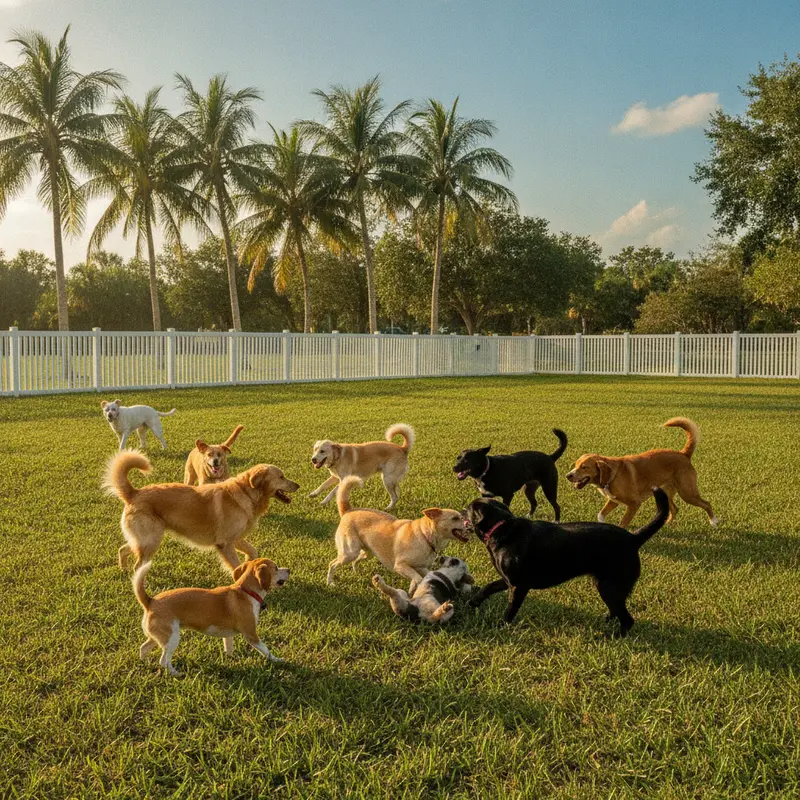
Fostering Socialization and Play for Pets
Socialization is more than playtime. Done right, it builds a confident, well-adjusted pet. Here is how to foster healthy play and safe introductions in Miami.
Read more →
Holiday Foods to Avoid Feeding Your Pet
From chocolate and grapes to the turkey bones in the trash, holiday gatherings are full of hazards for pets. Learn what to avoid and how to keep the season safe.
Read more →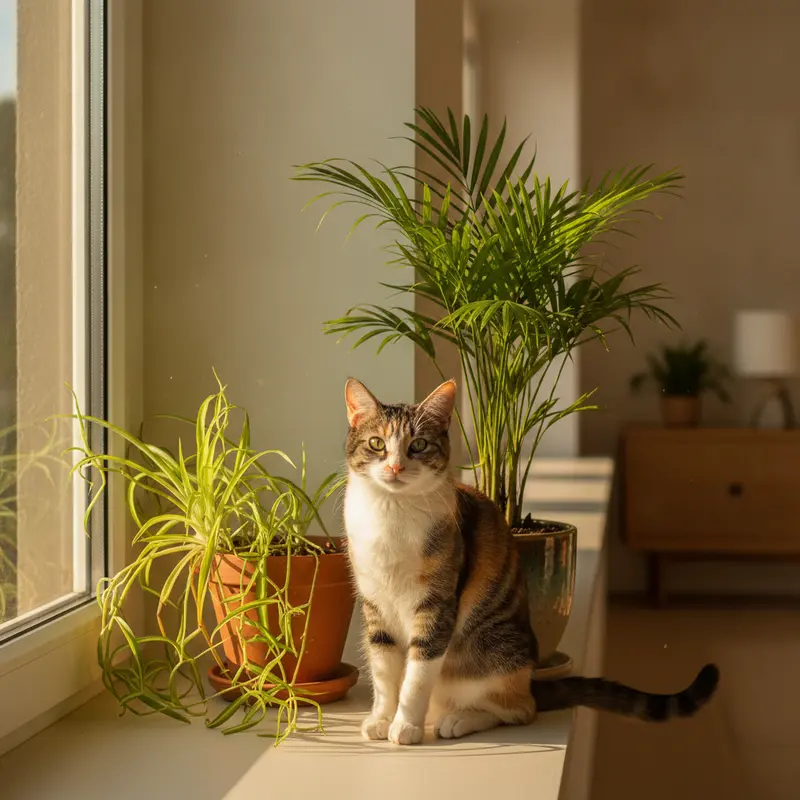
Which Houseplants Are Safe for Cats?
Cats love to nibble greenery, but some of the most popular houseplants are dangerous. Here is a room-by-room guide to safe and toxic plants for feline homes.
Read more →
Questions About Your Pet's Health?
Our Miami veterinary team has cared for South Florida pets since 1981. Request an appointment or call us today.