Why Socialization Shapes a Happy Pet
A well-socialized dog is calmer, more confident, and far easier to live with, whether you are strolling a Coral Gables sidewalk or hosting friends at home. Socialization is the process of teaching a pet to feel comfortable with the world - new people, other animals, unfamiliar sounds, surfaces, and situations. Dogs that miss out on it often grow fearful or reactive, and those behaviors are much harder to fix later than to prevent early.
In a dense, active place like Miami, dogs encounter a lot: bikes and skateboards, other pets on every block, delivery trucks, and crowded parks. A dog that takes all of that in stride enjoys a fuller life and is safer, too, because fear is a leading driver of bites and escapes. Good socialization also supports health, since a confident pet is easier to examine, groom, and treat. Our veterinary wellness team sees the difference a well-adjusted temperament makes at every visit.
Our climate adds a particular twist. Because South Florida life runs indoors and out year-round - screened patios, dog-friendly cafes, boat days, and busy sidewalks - a local pet meets an unusually wide range of sights, sounds, and surfaces. That is an opportunity, not just a challenge.
Every calm outing to a hardware store patio or a quiet stretch of the neighborhood is a chance to build confidence. Keep it positive, and never push your pet past what it can handle in one session.
The Critical Window and Lifelong Learning
The most important period for socialization is early, roughly between three and sixteen weeks of age, when a young animal's brain is primed to accept new experiences as normal. This is true for kittens as well as puppies. Positive exposure during this window - to gentle handling, varied surfaces, friendly animals, and different people - pays off for the rest of the pet's life. That is why well-run puppy and kitten classes and careful early outings are so valuable.
There is an important balance to strike, though. Until a puppy or kitten has completed its core vaccine series, its immune protection is incomplete, so exposure to unknown animals and public dog parks carries real risk. The answer is controlled socialization: classes that require proof of vaccines, playdates with healthy pets you know, and safe home environments.
Confirm your pet's puppy and kitten vaccination schedule with us so you know exactly when it is safe to widen the circle. And socialization is not just for the young - adult pets keep learning, and steady, positive exposure benefits an animal at any age.
What Healthy Play Actually Looks Like
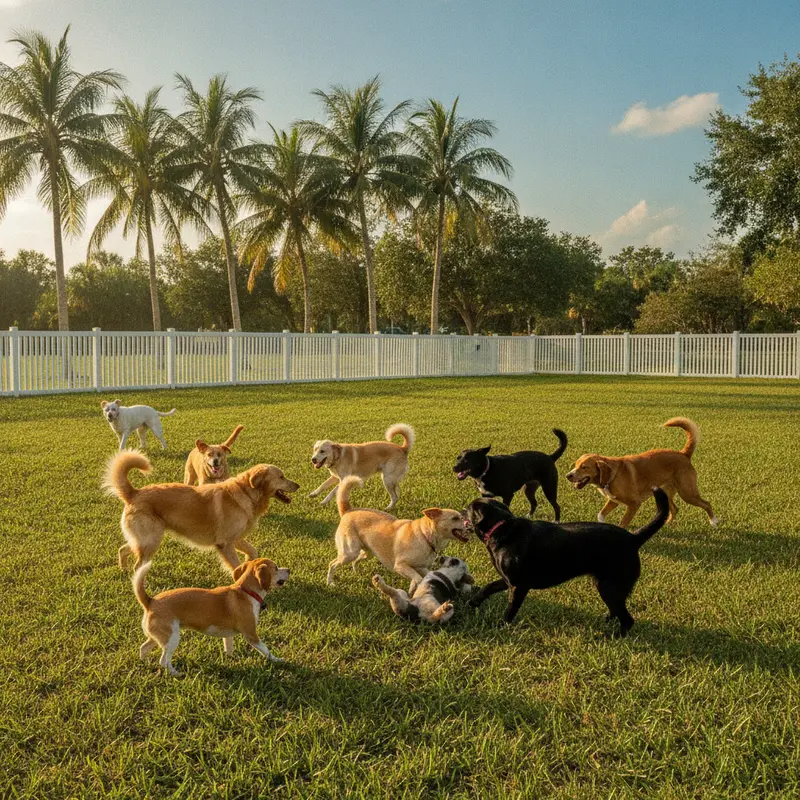
Not all play is good play, and learning to read it protects your pet. Healthy play is loose, bouncy, and takes turns - dogs chase and are chased, wrestle and pause, and offer play bows with relaxed, wiggly bodies. You will see self-handicapping, where a bigger dog holds back to keep things fair, and frequent breaks where the dogs shake off and reset. That give and take is the sign of a good match.
Trouble looks different. Stiff bodies, a hard stare, hackles up, one dog constantly pinning or being pinned, and a dog trying to escape that is not allowed to are all signs to step in.
A pet that hides, tucks its tail, or freezes is not having fun no matter how energetic the other animal is. Calmly separate them, give a break, and try again later or not at all. Good play leaves both animals loose and happy, not frantic or cowering.
A simple consent test settles most doubts. Gently hold back the dog that seems to be doing all the chasing or wrestling, and watch the other one. If it re-engages, bouncing back in for more, the play is mutual and welcome.
If it slinks away, shakes off, and looks relieved, it was not enjoying itself, and you have just spared it a bad experience. Matching dogs by size and play style helps too, since a rough wrestler and a delicate chaser rarely make a comfortable pair.
Organized Play Versus the Open Dog Park
Public dog parks are convenient, but they are unpredictable. You cannot know the vaccine status, temperament, or training of every dog that walks through the gate, and one poorly supervised dog can turn a fun outing into a fight or a health scare. Miami's year-round warmth also means parasites and contagious illnesses circulate constantly, so an open park carries more risk here than in cooler climates.
Organized play offers a safer path to the same benefits. Structured playgroups, reputable daycares, and classes screen participants for vaccines and behavior, keep group sizes reasonable, and have staff who step in before trouble starts. Playdates with animals you know and trust are another excellent option.
And because summer afternoons are brutal here, schedule play for the cooler morning or evening hours to avoid heat exhaustion, always with water on hand. Keeping your pet's pet grooming and coat care up to date also helps you spot fleas, ticks, or skin issues that group settings can spread.
Heat management is not a minor detail during play in South Florida - it is central. Dogs cannot tell you they are overheating until they are in trouble, so watch for the early signs even during a game they clearly love. Look for heavy panting that will not slow, thick ropey drool, brick-red gums, and a dog that lags or lies down mid-play.
Keep sessions shorter in summer, offer water breaks every few minutes, and provide shade or bring play indoors when the heat index climbs. A fenced backyard game of fetch at eight in the morning is far safer than a noon trip to a sun-baked park.
Building Confidence at Home and in the Neighborhood
Socialization does not require a crowd. Much of the best work happens on quiet neighborhood walks and in your own living room. Expose your pet gradually to new sounds, surfaces, and gentle handling, and pair each new thing with treats and praise so it becomes a positive association. Let your pet set the pace - forcing a nervous animal toward something scary usually backfires and deepens the fear.
Enrichment matters as much as exposure, and it keeps a pet stuck indoors during a downpour or a heat advisory from getting bored and stressed. Rotate a handful of toys so they stay novel, use food puzzles and snuffle mats to make mealtime a hunt, and teach simple tricks that give your pet a job to do. Cats need this too: vertical space, window perches overlooking the yard, and short daily play sessions with a wand toy channel natural hunting energy and prevent the boredom that leads to problem behavior.
Handling exercises are especially valuable. Regularly touch your pet's paws, ears, and mouth, look at its teeth, and reward calm behavior, so that vet visits and grooming become routine rather than frightening. This kind of practice makes every future exam smoother and helps us give your pet better care. Owners across South Miami dog care and Coral Gables pet services find that a few minutes of daily practice builds an animal that handles the whole world more easily.
When to Get Professional Help
Some pets need more support than home practice can provide, and there is no shame in that. If your dog shows real fear, growls or snaps at people or other animals, freezes or panics in new situations, or cannot settle around normal activity, it is time to bring in help. Early intervention with a qualified trainer or veterinary behavior professional is far more effective than waiting for a problem to harden into a habit.
Sometimes what looks like a behavior problem has a medical root - pain, thyroid issues, or vision and hearing loss can all change how a pet reacts to the world. A veterinary exam is a smart first step when behavior shifts suddenly, since treating the underlying cause often resolves the behavior. Well-socialized pets also travel and adapt more easily, which is why so much of traveling with your dog in Florida depends on the confidence you build through steady, positive socialization.
Frequently Asked Questions
When is the best age to socialize a puppy or kitten?
The prime window is roughly three to sixteen weeks, when young animals most readily accept new experiences as normal. Because the vaccine series is not yet complete during part of that time, focus on controlled settings like vaccine-required classes and playdates with healthy pets you know. Confirm timing with us before public outings.
Are dog parks safe for my dog?
Public dog parks are unpredictable because you cannot verify other dogs' vaccine status or temperament, and Miami's climate keeps parasites and illnesses active year-round. Organized playgroups and daycares that screen participants are safer. If you do visit a park, go during the cooler morning hours and leave the moment the energy turns tense.
How can I tell if my pets are playing or fighting?
Healthy play is loose, bouncy, and takes turns, with play bows and frequent breaks. Warning signs include stiff bodies, hard stares, raised hackles, one animal constantly pinning another, or a pet trying to escape. When in doubt, calmly separate them and give a break.
My adult dog is fearful of other dogs. Is it too late?
No. Adult dogs keep learning, and steady, positive exposure helps at any age. Because sudden fear can have a medical cause like pain or vision loss, a veterinary exam is a smart first step. Our team can rule out health issues with veterinary diagnostics and point you toward a qualified trainer or behavior professional.
Keep Reading
More Pet Care Tips
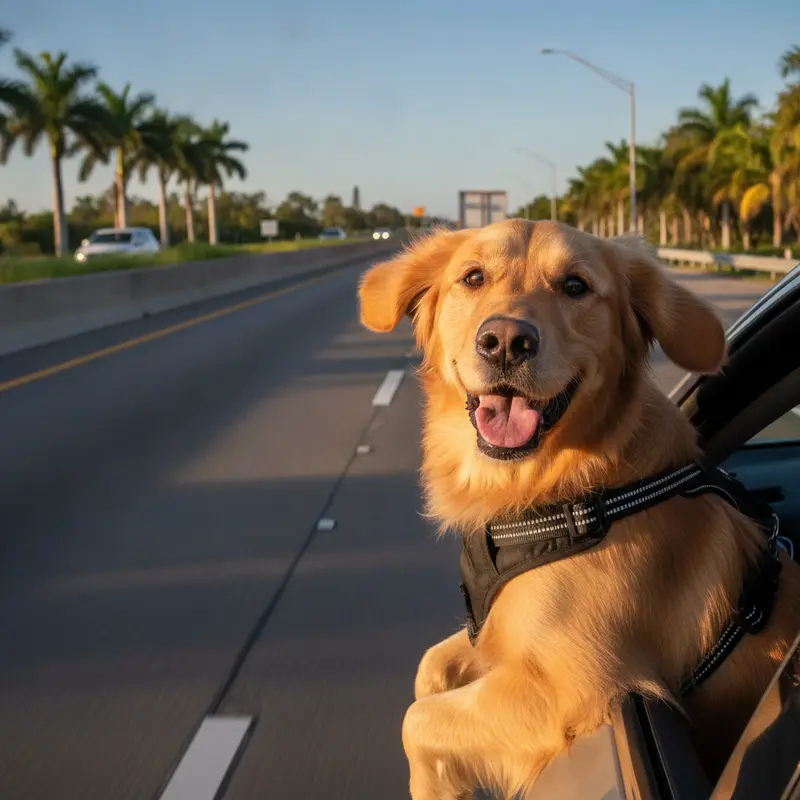
Tips for Traveling With Your Dog in Florida
Dogs make great travel companions when you plan ahead. From car safety to hotel etiquette and heat protection, here is how to travel well with your dog in Florida.
Read more →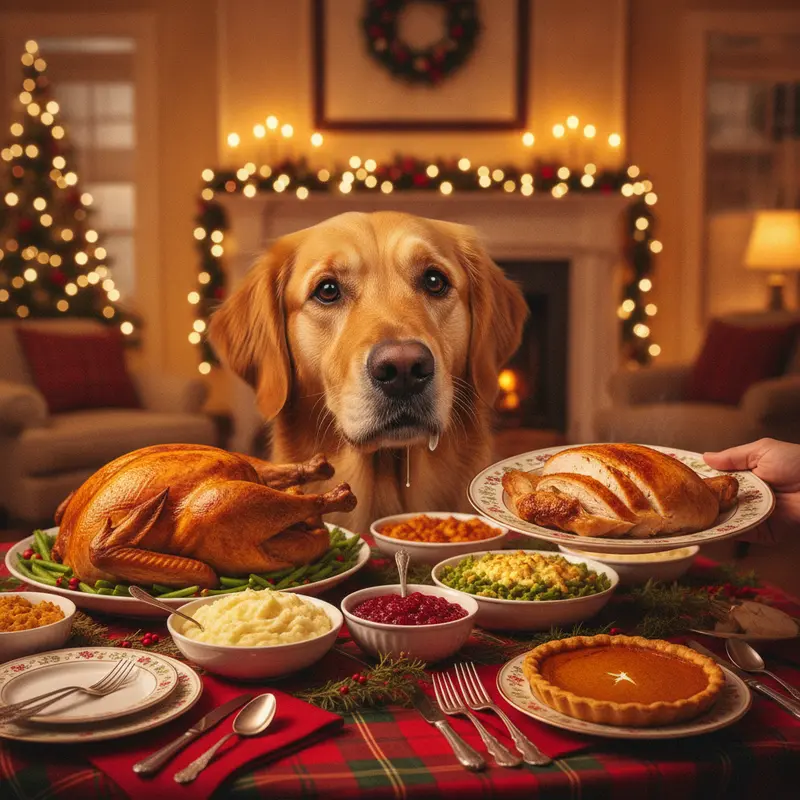
Holiday Foods to Avoid Feeding Your Pet
From chocolate and grapes to the turkey bones in the trash, holiday gatherings are full of hazards for pets. Learn what to avoid and how to keep the season safe.
Read more →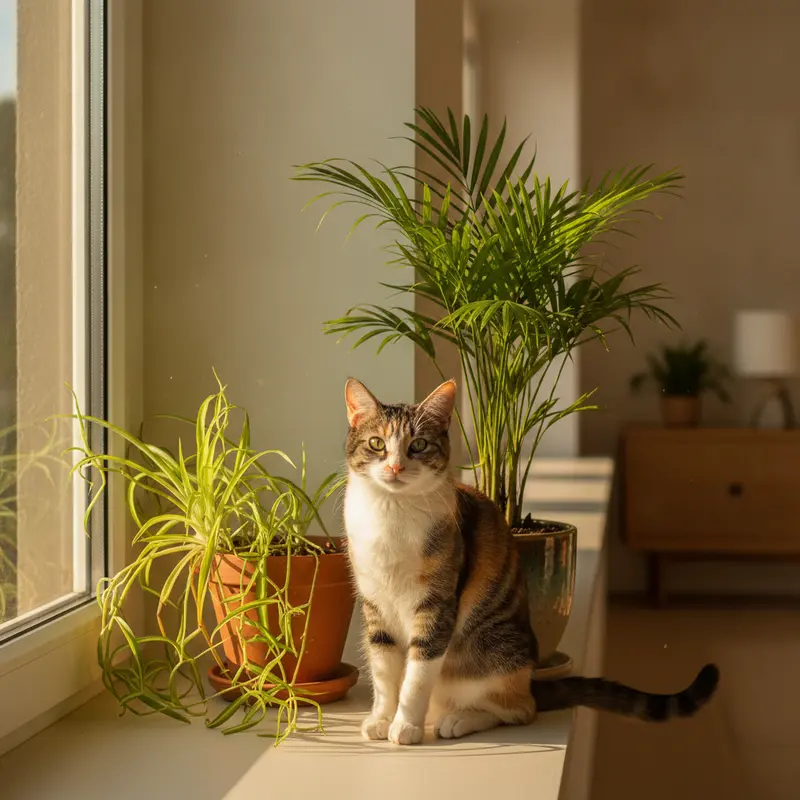
Which Houseplants Are Safe for Cats?
Cats love to nibble greenery, but some of the most popular houseplants are dangerous. Here is a room-by-room guide to safe and toxic plants for feline homes.
Read more →
Questions About Your Pet's Health?
Our Miami veterinary team has cared for South Florida pets since 1981. Request an appointment or call us today.